
Our Grocery
Check Our Ration Kart Grocery
Menu
Vegetable and Fruits

Tomato
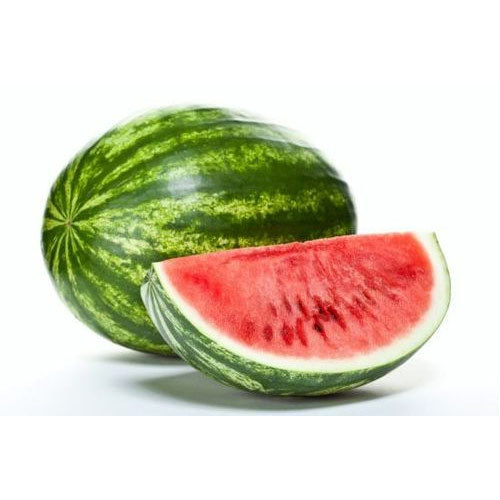
Watermelon
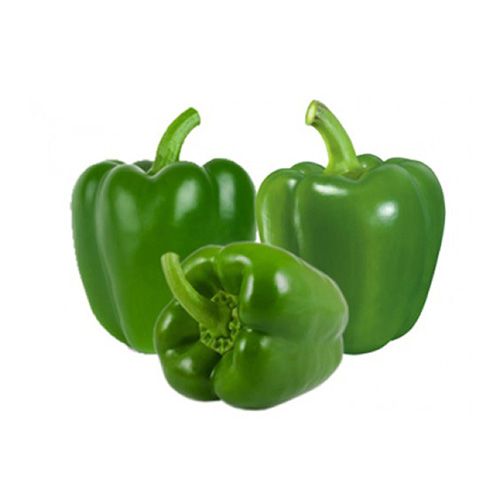
Capsicum
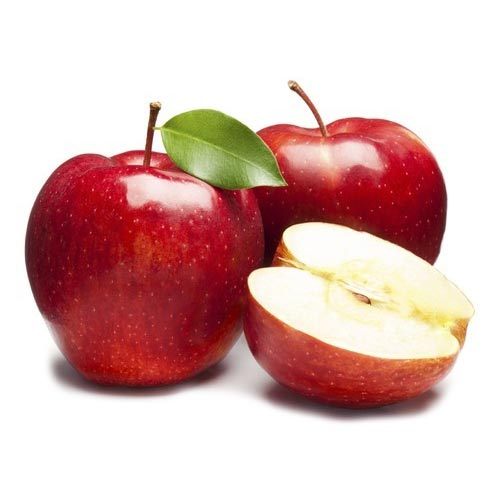
Apple
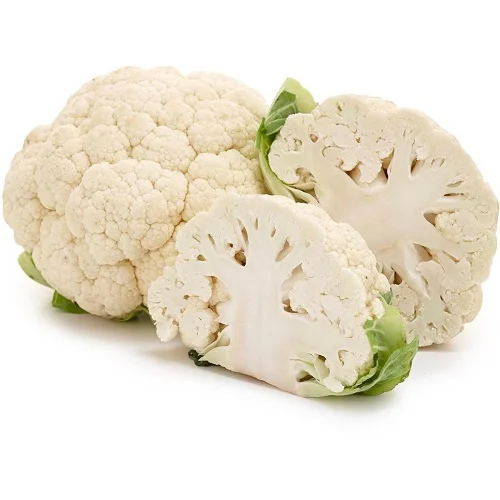
Culiflower

Orange
Menu
Rice
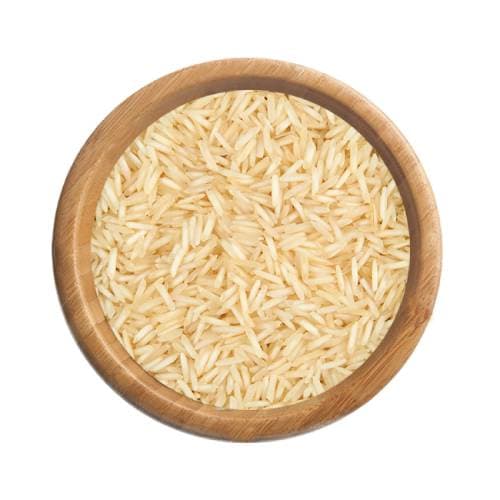
Basmati Rice
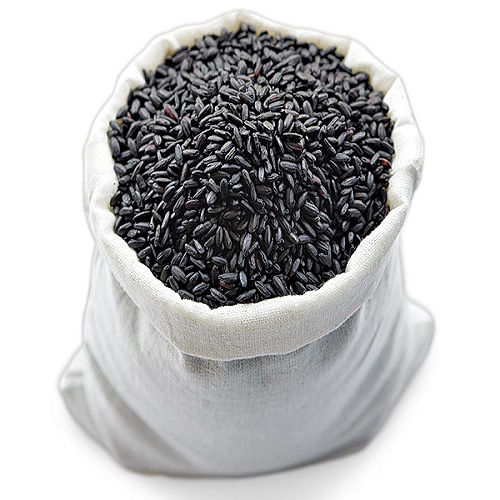
Black Rice
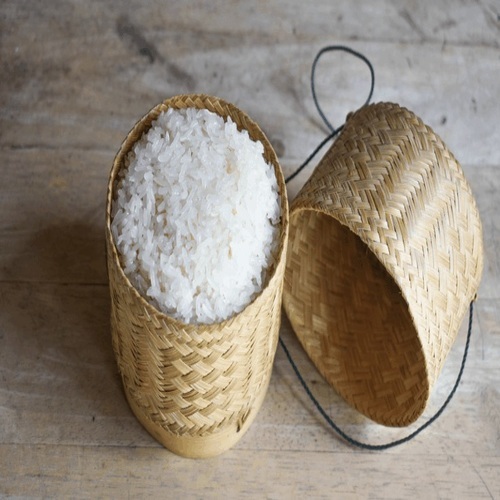
Guwhati Rice
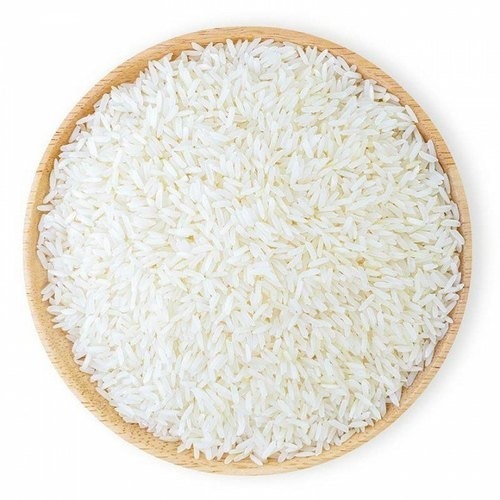
Indrayani Rice
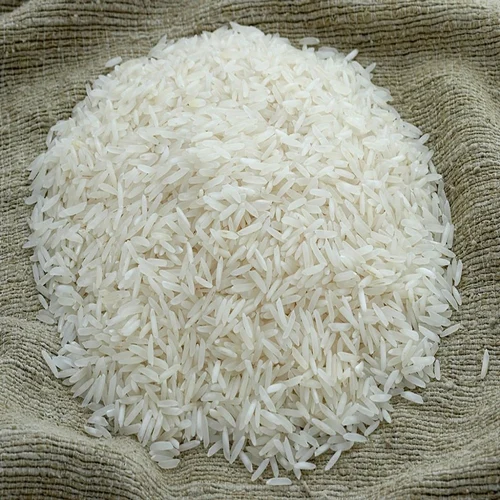
Mogra Rice
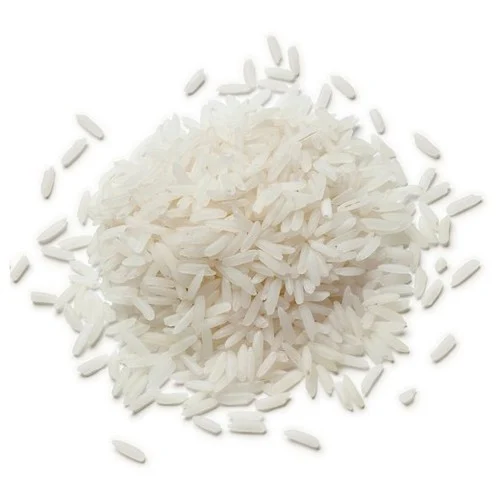
Samba Rice
Menu
Pulses
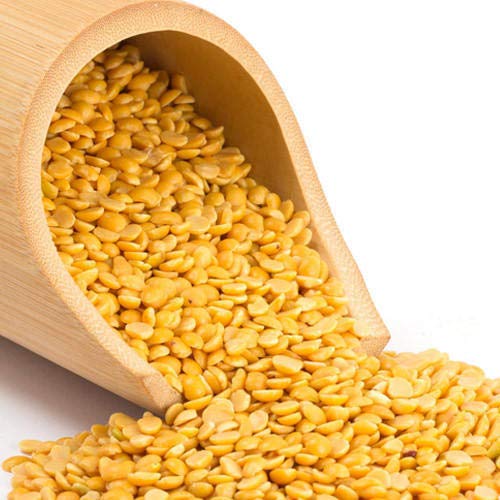
Pigeon Pea
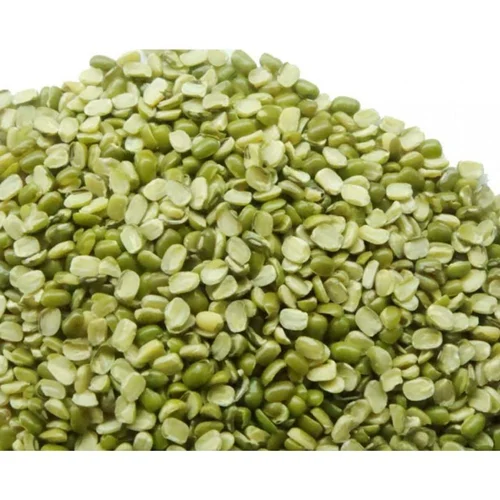
Green Gram Bean
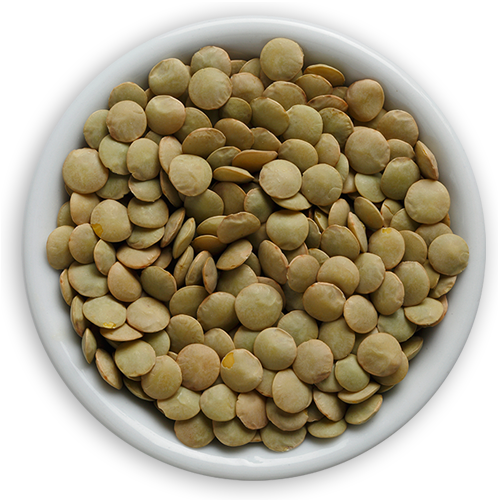
Black Red Lentil
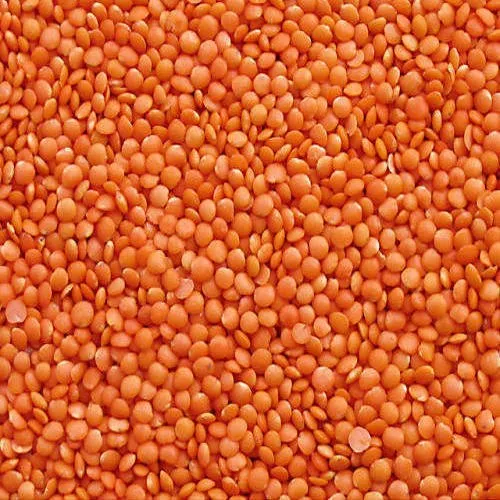
Red Split Lentil

Black Bean
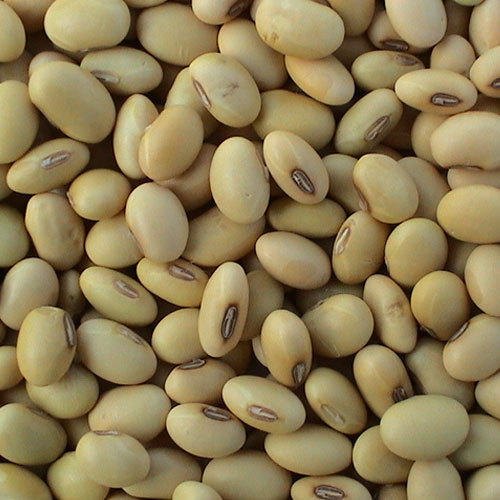
Soyabean
Menu
Flour
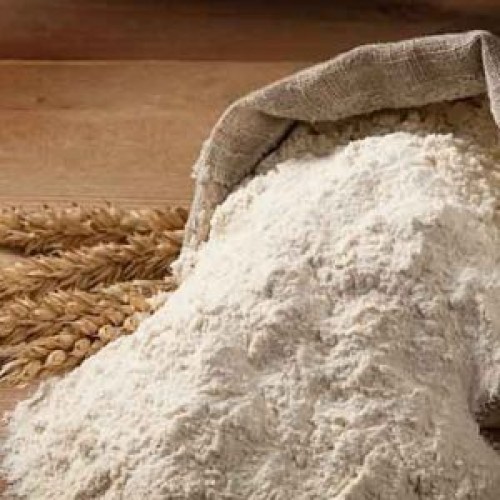
Wheat
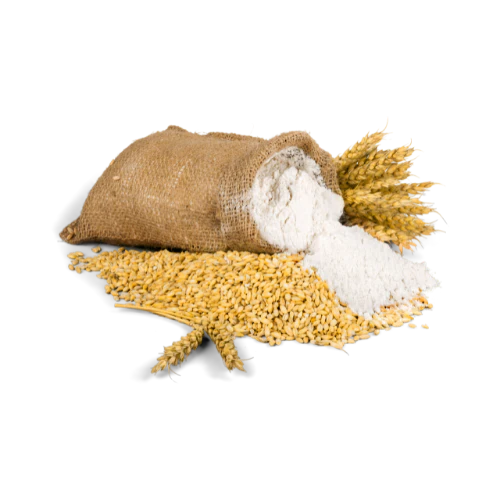
Buckwheat
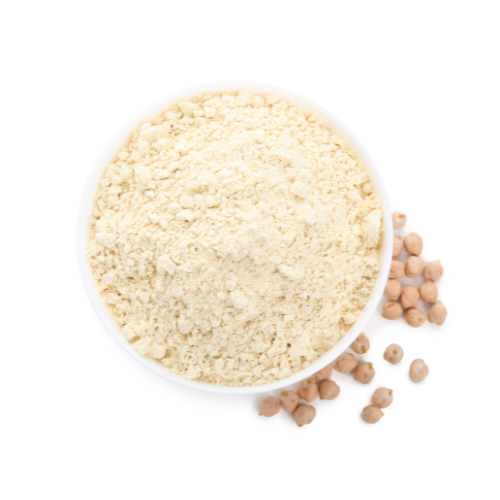
Chickpea
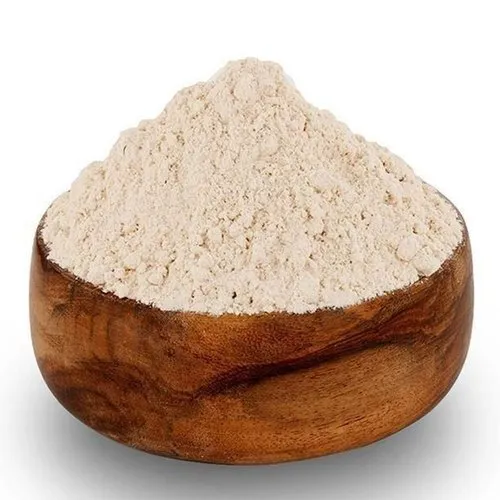
Hye
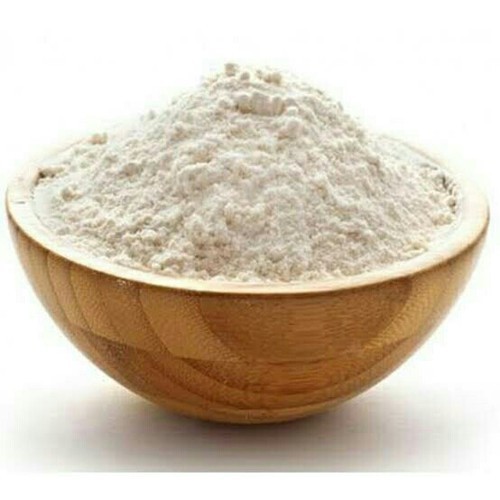
Oats
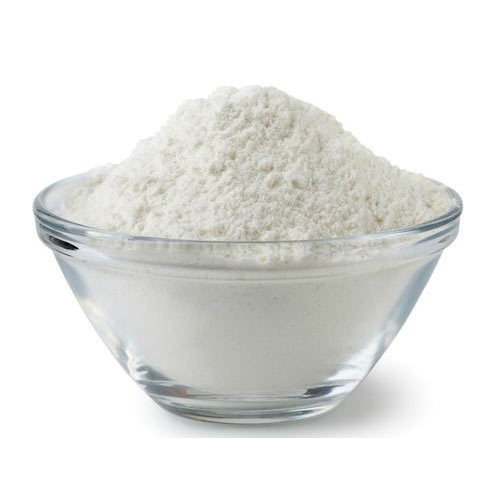
Rice
Menu
Oil
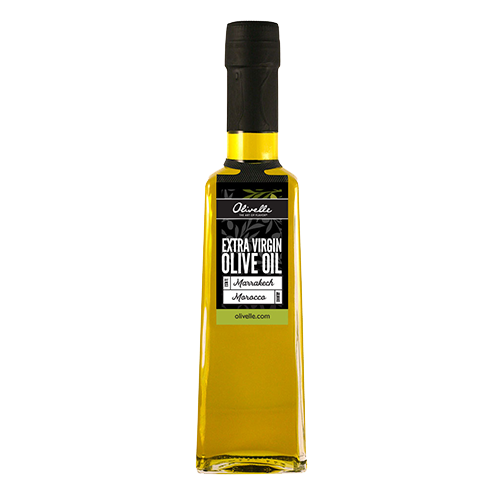
Olive Oil

Fortune Oil
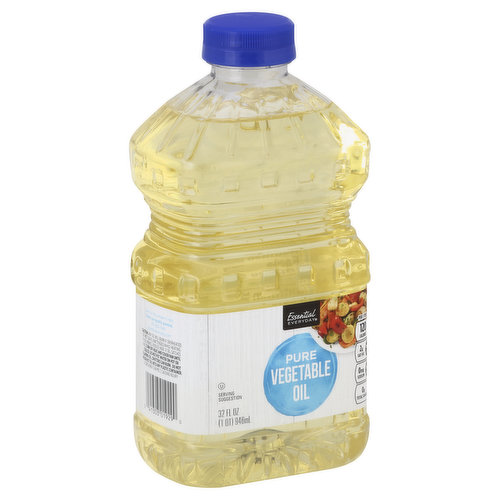
Vegetable Oil
Flour Services
- All-Purpose Flour
- Whole Wheat Flour
- Bread Flour
- Cake Flour
- Self-Rising Flour
- Gluten-Free Flour
- Semolina Flour
- Cornmeal
- Rye Flour
- Specialty Flours
This versatile flour is suitable for a wide range of recipes, including baking, frying, and thickening sauces. It's a staple in most kitchens.
Made from grinding the entire wheat kernel, whole wheat flour is higher in fiber and nutrients compared to all-purpose flour. It's commonly used in bread baking and recipes where a nuttier flavor and denser texture are desired.
Bread flour has a higher protein content compared to all-purpose flour, resulting in better gluten development and a chewier texture. It's ideal for yeast-based bread baking.
Cake flour has a lower protein content and is finely milled, resulting in lighter, softer baked goods such as cakes, muffins, and biscuits.
This flour is a blend of all-purpose flour, baking powder, and salt. It's convenient for recipes that require leavening agents, such as biscuits and pancakes.
With the increasing demand for gluten-free products, grocery stores often stock a variety of gluten-free flour blends made from alternative grains such as rice, almond, coconut, or chickpea flour.
Commonly used in pasta making, semolina flour is made from durum wheat and has a coarse texture. It's also used in some dessert recipes.
While not technically flour, cornmeal is often found in the flour aisle. It's used in baking, breading, and making cornbread, polenta, and tortillas.
Rye flour is commonly used in European baking, particularly for making dense, hearty bread. It has a distinct flavor and can be combined with wheat flour for various recipes.
Depending on customer demand and market trends, you might also stock specialty flours such as spelt flour, almond flour, coconut flour, or chickpea flour, which cater to specific dietary needs or culinary preferences.